How MCP Apps Will Forever Change Consumer Behavior




For decades, we’ve accessed services, made purchases, and interacted with brands through dedicated apps and websites. However, AI is collapsing these boundaries, creating a new paradigm where consumers accomplish complex tasks through conversations with AI assistants. And at the heart of this transformation is MCP Apps.
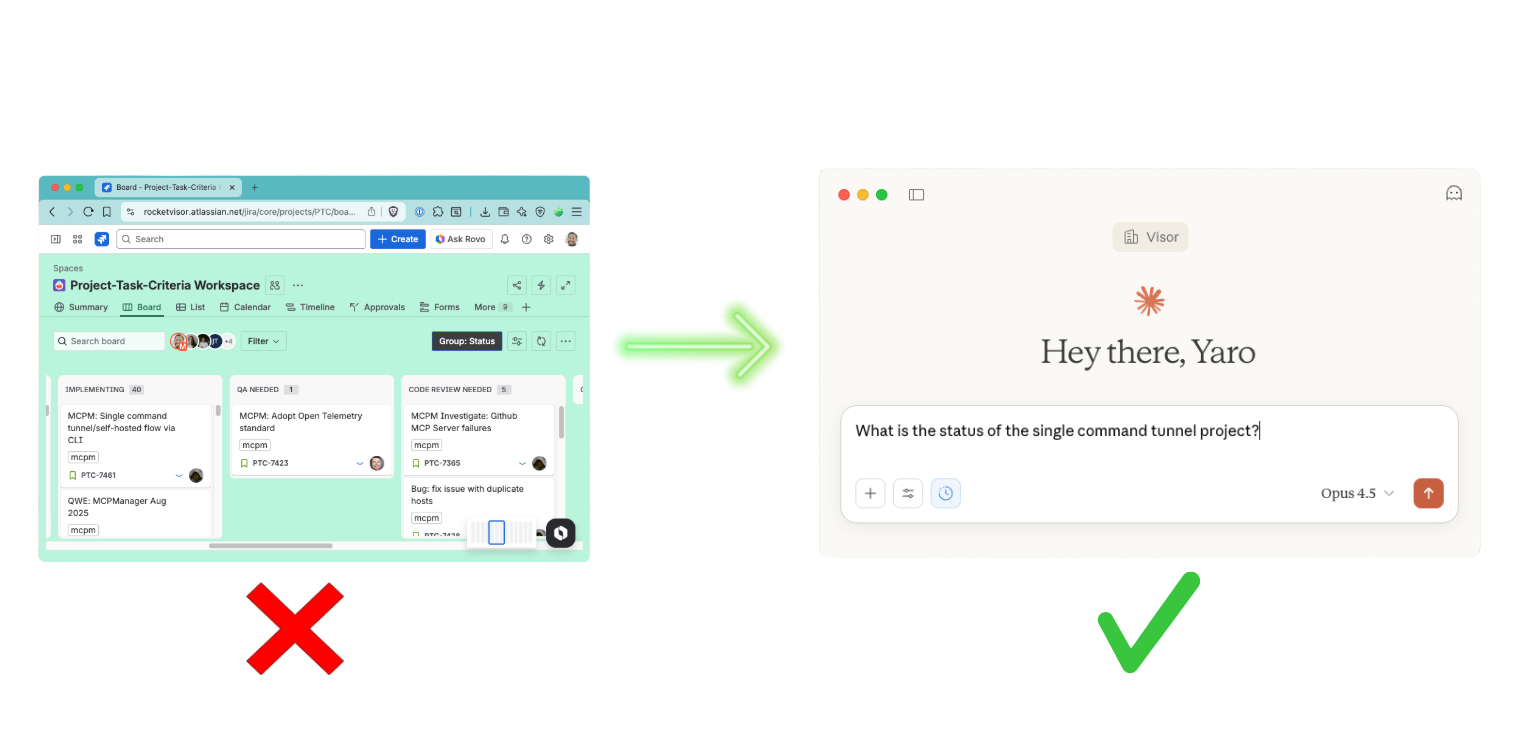
MCP Apps is the first ever extension of Model Context Protocol (MCP). This extension to the MCP spec went live in February 2026, bringing rich, interactive user interfaces directly into AI conversations. Prior to this, MCP could only deliver text.
By bringing tools’ capabilities into AI systems and LLMs, where and how consumers interact with brands online will fundamentally change.
The Evolution of MCP
When Anthropic launched the Model Context Protocol in November 2024, the vision was straightforward: create an open standard for connecting large language models to external tools and data sources. Think of it as the “USB-C interface for AI agents” or a universal connector that would prevent the ecosystem from fragmenting.
The protocol worked exactly as intended. Within a year, MCP achieved remarkable adoption: over 10,000 active servers, and first-class support across major AI platforms including ChatGPT, Claude, Cursor, Gemini, Microsoft Copilot, and Visual Studio Code, and more. Anthropic even donated MCP to a neutral steward, The Linux Foundation.
However, during this first formative year, where MCP became the bona fide way to connect AI to external tools and data, it did so exclusively with text. For example, when you asked an AI to show you weather data, you’d get a text description. For data visualization, you’d get a verbal description of what a chart might look like. The limitation was obvious because some information simply demands visual, interactive experiences.
The community innovated past this limitation and in summer 2024, Ido Salomon and Liad Yosef created MCP-UI, which pioneered the concept of “agentic apps with interactive interfaces.”
Their project proved that rich user interfaces could fit naturally within MCP’s architecture, and it gained rapid adoption from major companies including Postman, Shopify, Hugging Face, Goose, and ElevenLabs.
Then in October 2025, OpenAI validated the approach with their Apps SDK, enabling developers to build interactive applications inside ChatGPT using MCP as the backbone. The message was clear: the market demanded more than text.
You can now chat with apps in ChatGPT. pic.twitter.com/T9Owi3POim
— OpenAI (@OpenAI) October 6, 2025
By late November 2025, the MCP Apps Extension (SEP-1865) came together, officially bringing rich, interactive UI experiences to the MCP spec. On January 26, 2026, it went live as the first official MCP extension, supported by ChatGPT, Claude, Goose, Visual Studio Code, and a growing list of clients.
This evolution sets the stage for a dramatic shift in how people interact with technology.
“These [MCP] apps allow tools and resources from MCP servers to directly power interactive UI elements, extending MCP beyond backend connectivity into user-facing experiences. It’s a notable signal of how the protocol is evolving beyond its original intent, extending to serve more needs around human-to-AI-to-system connectivity.”
VP of AI, CAIO at Usercentrics, Michael Yaroshefsky
Where MCP Lives Today: The Developer’s Domain
To understand where MCP is headed, we need to understand where it is now. Today, MCP primarily serves internal enterprise workflows and developer productivity. The most popular MCP servers reveal this clearly:
Developer Tools Currently Dominate MCP Use:
- GitHub MCP (the most starred server with 12,000 GitHub stars) enables AI to manage repositories, issues, and pull requests
- Playwright MCP handles automated testing by executing actions in a real browser, returning structured testing results back to the AI
- Context7 MCP fetches current documentation to prevent AI hallucinations in coding
Productivity & Workflow Servers Are Also Popular:
- Notion MCP provides semantic search over workspaces
- Slack MCP automates team communications
- Linear and Atlassian MCPs manage project workflows
- Google Workspace MCP accesses Docs, Sheets, and Calendar
MCP Servers Giving AI Access to Databases:
- PostgreSQL and Supabase MCPs enable natural language database queries
- K2view MCP delivers real-time multi-source enterprise data
- SQLite MCP allows direct database interaction from IDEs
Enterprise Systems Embracing MCP:
- Salesforce MCP Connector links CRM data to AI workflows
- HubSpot MCP provides read-only access to marketing data
- Azure and AWS MCPs manage cloud infrastructure
- Heroku Platform MCP enables server management from chat
The pattern is clear: these are tools for teams working with internal systems. Engineers use GitHub MCP to automate code reviews. Data analysts use PostgreSQL MCP to query databases in natural language. Product managers use Notion MCP to search documentation. Sales teams use Salesforce MCP to pull customer insights.
Today, MCP use is about making enterprise workflows smoother, faster, and more intelligent. These aren’t consumer products; they’re business infrastructure. But MCP Apps will change that dramatically.
The MCP Apps Revolution: From Discovery to Purchase in One Interface
MCP Apps change everything by enabling rich, interactive experiences directly within AI conversations. But more importantly, it transforms LLMs from research tools into action platforms. You’ll be able to book appointments, buy products, manage investments, and use SaaS tools, all without leaving your conversation with Claude or ChatGPT.
What MCP Apps Actually Enables for Consumers
Interactive Shopping Experiences in an LLM:
- Product comparison tables with real-time pricing that update as you adjust filters
- Visual product configurators where you can change colors, features, and see instant price updates
- Interactive size guides with measurements and fit recommendations
- Complete checkout without opening a browser – payment, shipping, confirmation all happen in the chat
Booking Services in an LLM:
- Calendar widgets showing real-time availability across multiple providers
- Interactive booking forms with instant confirmation and calendar integration
- Live pricing comparisons as you adjust service options
- Multi-step workflows: select service → choose time → add customizations → complete secure checkout
Financial Services in an LLM:
- Interactive budgeting tools with drag-and-drop expense categorization
- Investment portfolio dashboards with live market data and scenario modeling
- Loan calculators with sliders that instantly recalculate payments
- Bill payment interfaces with built-in security and transaction history
The technical implementation is elegant: MCP Apps run in sandboxed iframes with restricted permissions, use predeclared templates that can be audited before rendering, and communicate with hosts through MCP’s existing JSON-RPC protocol.
But the real magic happens when you combine MCP Apps with the commerce infrastructure that’s now coming online.
This 2025 MCP Recap video goes
over the significant of MCP Apps:
SaaS Tools Following the Same Path
E-commerce is just the beginning. The same transformation is happening with SaaS tools, the business applications people use every day are evolving to work entirely within AI interfaces. Many of the largest SaaS providers already offer MCP servers.
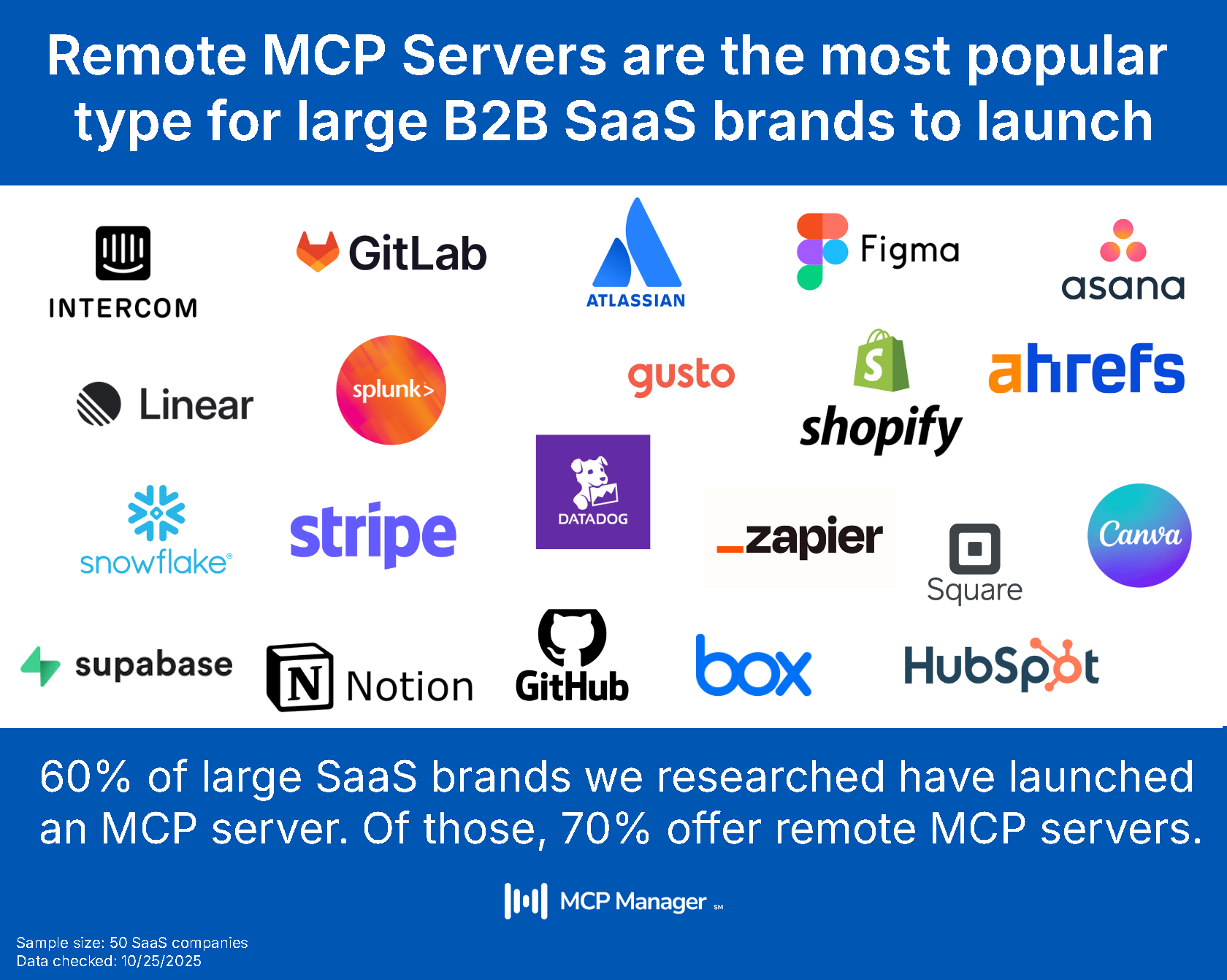
You can already work with the data in many of your SaaS tools in clients like Claude. Soon, you’ll be able to also have these conversations enhanced with interactive UI components.
“Developers can now build interactive experiences that render directly in conversation: games, calendars, maps, checkout flows. We believe the future centers on users navigating through one trusted agent rather than context-switching between fragmented experiences.”
Jack McDade from Block (formerly Square)
Why This Matters: The Permanent Behavior Change
This isn’t just a new interface; it’s a fundamental shift in how humans interact with technology, and it will create permanent changes in consumer behavior.
Dramatically Reduced Friction
The traditional customer journey involves numerous friction points:
- Have a need →
- Open search engine →
- Search with keywords →
- Click through results →
- Navigate website →
- Find product →
- Compare on other sites →
- Return to original site →
- Add to cart →
- Navigate to checkout →
- Fill in forms →
- Complete purchase
With MCP Apps in AI conversations:
- State need →
- Evaluate options in interactive UI
- Purchase
We’re collapsing 12 steps into 3.
The impact on conversion rates will be enormous.
New Consumer Expectations
Once consumers experience the frictionless flow of AI-powered commerce with rich interfaces, their expectations will permanently shift. They’ll expect:
- Instant, visual comparisons rather than searching multiple websites
- Conversational discovery rather than keyword-based search
- One-interface transactions rather than context switching
- Persistent context where the AI remembers their preferences, past purchases, and constraints
- Proactive assistance where AI suggests products before they explicitly ask
The Zero-Click Era
Traditional search engines are already experiencing the “zero-click” phenomenon with an estimated 60% of Google searches now end without clicking any website. Users get their answers from AI-generated summaries at the top of results.
With MCP Apps, we’re entering the zero-click transaction era. Consumers will state their needs and complete purchases without ever clicking through to a traditional website. The AI conversation becomes the entire customer experience.
Gartner’s prediction of a 25% drop in traditional search engine use by 2026 likely understates the impact. When you can complete your entire shopping journey—discovery, comparison, purchase—in a single conversation, why would you go back to the old way?
The Critical Governance Gap: Why Companies Must Act Now
This transformation creates enormous opportunities. However, it also brings equally enormous risks.
Data is already flowing between AI systems and enterprise tools through thousands of MCP servers. As consumers begin making actual purchases and working with sensitive tools directly in LLMs, that data flow will explode.
And most companies are completely unprepared to govern it.
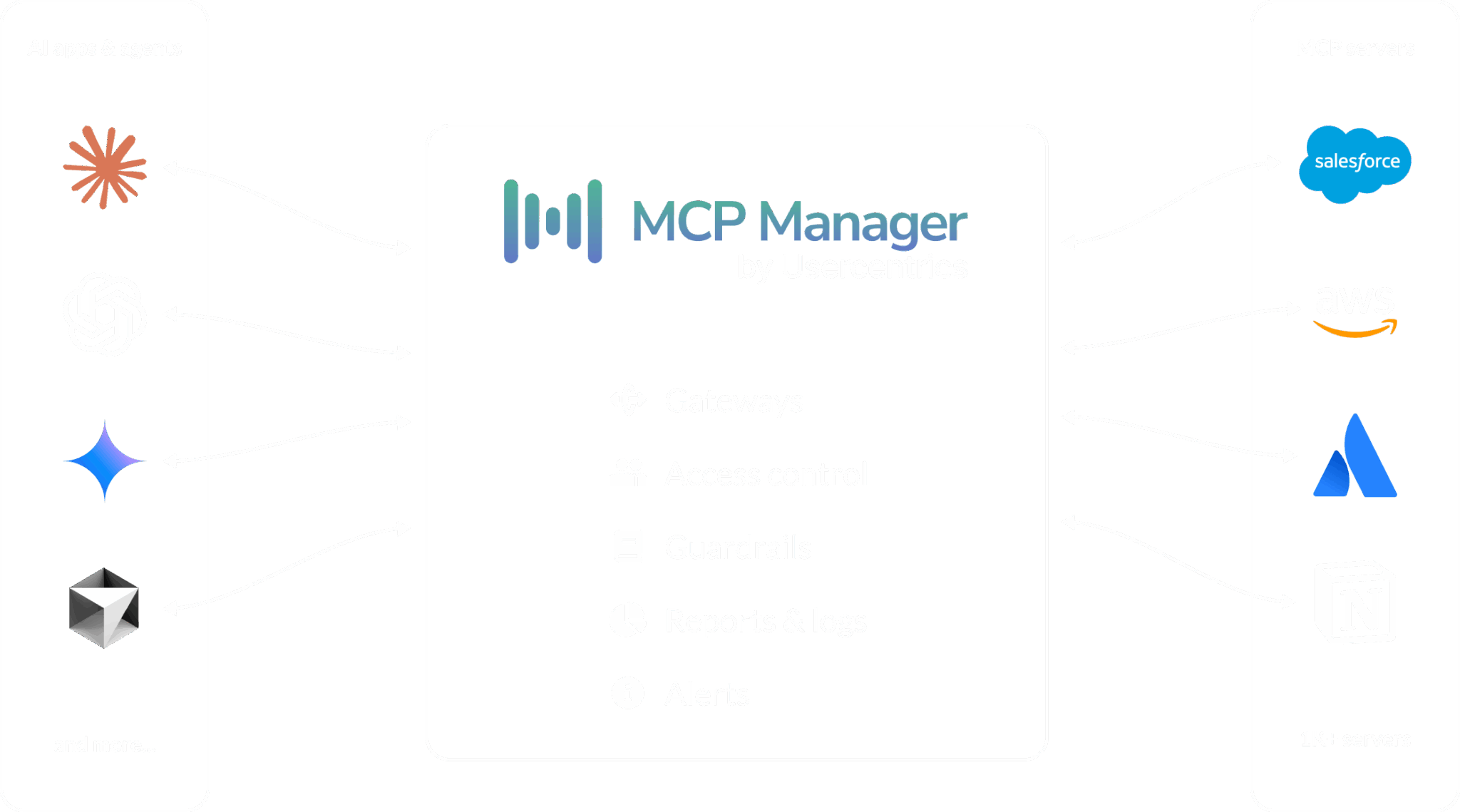
Ungoverned MCP Data Flows Are a Tangled Web
The CMP Parallel: A Proven Model for a New Era
We’ve been here before. When GDPR and CCPA introduced strict privacy regulations for websites and mobile apps, companies initially struggled with compliance. How do you manage consent for dozens of tracking cookies and third-party scripts? How do you honor deletion requests across multiple systems? How do you provide transparency without overwhelming users?
The solution was Consent Management Platforms (CMPs). These tools created a governance layer between consumers and data collection, providing:
- Centralized control over third-party cookies and trackers
- Transparent disclosure of what data was being collected
- User-friendly consent mechanisms
- Audit trails for compliance
- Automated enforcement of privacy preferences
CMPs transformed from “nice to have” to essential infrastructure. Today, virtually every major website uses one. They became the standard solution to a complex governance problem.
We need the same thing for AI systems.
Just as CMPs govern data flows on the web, we need governance frameworks for AI-to-system connectivity. The companies that build these frameworks now—before crisis forces action—will gain significant competitive advantages.
MCP Gateways Offer a Central Layer
to Monitor and Control Data Flows:
The Stakes: Trust as Competitive Advantage
The companies that win in the MCP Apps era won’t necessarily be those with the best technology. They’ll be those that earn and maintain consumer trust.
Consider the parallel with e-commerce adoption. In the late 1990s, consumers were hesitant to enter credit card information online. The companies that won (e.g., Amazon, eBay, PayPal) were those that solved the trust problem through transparent security practices, clear policies, and consistent reliable experiences.
The same dynamic is playing out with AI commerce, but faster. Consumers are ready to use AI for shopping. But they also need to trust that these interactions will safeguard their data.
The companies that close this trust gap through robust governance will capture enormous market share. Those that suffer breaches or privacy scandals will be punished swiftly and severely.
MCP gateways offer a solution for the AI governance gap that currently exists for the next wave of apps and services that MCP Apps will inevitably usher in. You can learn more about what an MCP gateway is (and how MCP Manager’s gateway works) in this video:
What Trust Looks Like in Practice:
Transparency: When a customer uses your MCP App, they should know exactly what’s happening.
Control: Give users meaningful choices. Let them decide what data to share, revoke permissions easily, delete their data, and understand how information is used. Design for user agency, not dark patterns.
Security: Protect customer data with the same rigor as traditional channels. Encrypt sensitive information, limit access, monitor for breaches, and respond rapidly to incidents. Make security visible through certifications and transparent practices.
Accountability: When something goes wrong, take responsibility. Communicate clearly with affected users, fix the problem, and demonstrate what you’ve done to prevent recurrence.
Consistency: Meet your commitments every time. If you promise data deletion in 30 days, delete it in 30 days. If you commit to never sharing data with third parties, don’t share it. Trust is built through reliable, consistent behavior.
Conclusion: The Inevitable Shift and the Governance Imperative
The question is no longer whether MCP Apps will change consumer behavior; they will. The data shows consumers already preferring AI for discovery and research. The technology now enables complete transactions within conversations. Major platforms are implementing in-chat commerce. The shift is happening.
The relevant questions are:
- How fast will adoption accelerate?
- Which companies will capture the opportunity?
- Who will consumers trust?
The answers depend largely on governance.
By 2027, Gartner predicts chatbots will be the primary customer service channel for 25% of businesses. AI will change how and where consumers make purchases and work with tools online. These aren’t possibilities; they’re near-term realities.
Consumer expectations are shifting from “AI as helper” to “AI as primary interface.” MCP Apps makes this shift seamless and intuitive. The protocol provides the technical foundation. The commerce infrastructure is coming online. Consumer demand is demonstrated.
Trust, security, and governance will determine winners and losers.
Data is already flowing between AI systems and enterprise tools through thousands of MCP servers. This flow will accelerate exponentially as consumers make purchases, book services, and interact with SaaS tools directly in LLMs. The companies that govern these data flows effectively will earn consumer trust and capture market share. Those that don’t will face breaches, fines, scandals, and lost customers.
To get ahead of this need, you want to be proactive. Our MCP Gateway helps you do just that. See how it works below.
Proactive governance means:
- Starting your audit and policy development now, before crisis forces action
- Building governance infrastructure for internal workflows using MCP and MCP Apps development
- Earning consumer trust through transparency and control
- Positioning your company as a leader in responsible AI
- Moving fast on AI adoption because you have guardrails in place
Reactive governance means:
- Treating consumer data as an afterthought
- Explaining to customers why their data was mishandled
- Competing against rivals who figured out their AI governance stance before regulations commanded them to
- Watching AI opportunities pass while you fix governance gaps
The companies that will thrive in the MCP Apps era are those that recognize governance as a competitive advantage, not a compliance burden. They’ll build trust through transparent practices, empower teams with AI tools within clear guardrails, and capture consumer attention in AI interfaces while protecting user data.
The technology is ready. The market is ready. Consumer behavior is shifting now. But Is your MCP governance ready?